
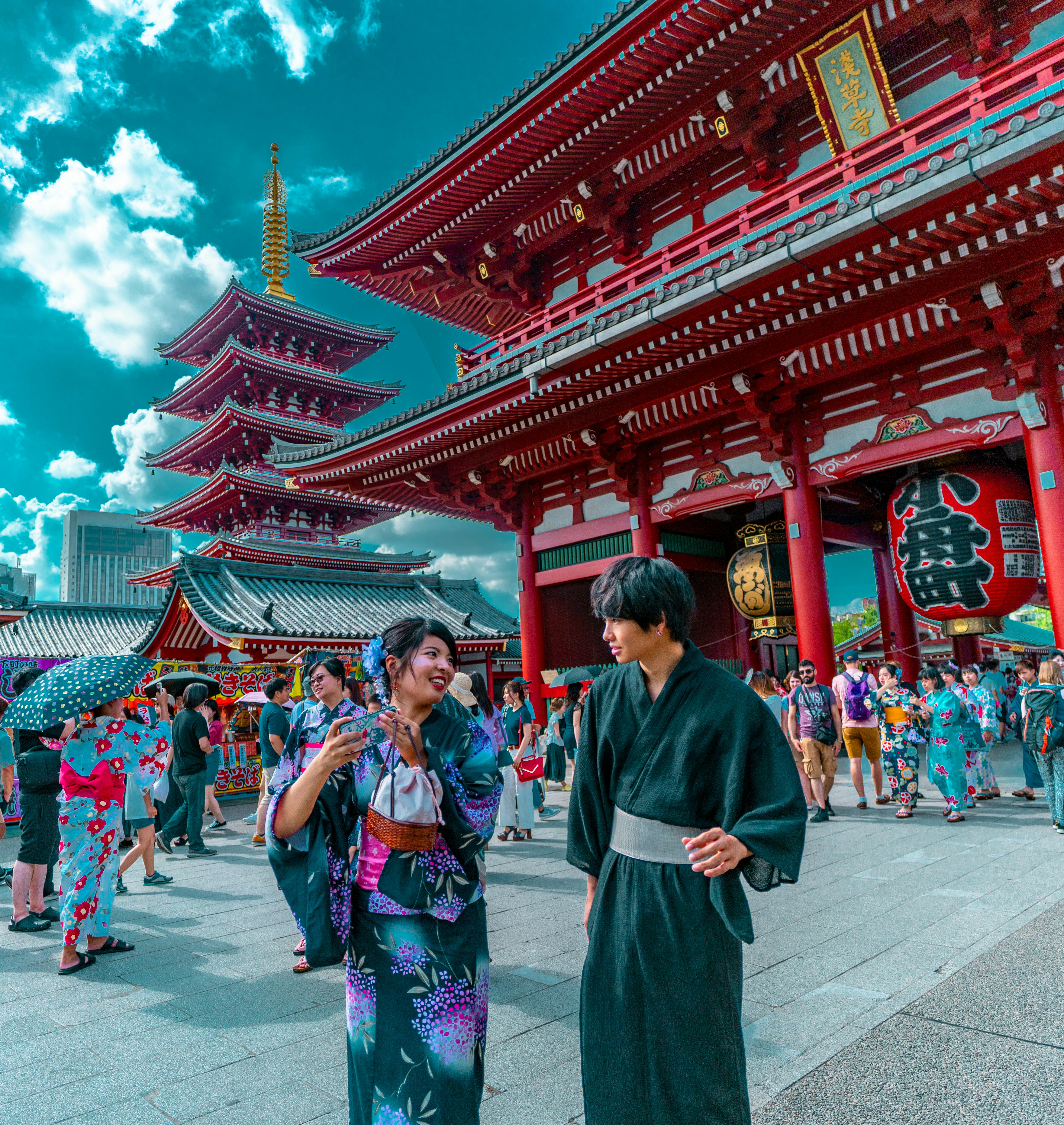
Introduction: A Journey into Contrasts
Japan is a country characterized by a remarkable blend of tradition and modernity, offering visitors a unique experience that reflects the essence of its culture. In this exploration of Japan, we delve into two distinctly contrasting locations: the pulsating energy of Shibuya and the serene tranquility of Kyoto. Shibuya, known for its vibrant nightlife, neon signs, and bustling streets, epitomizes the modern face of Japan. It is a place where innovation meets urban life, attracting both locals and tourists alike. The famous Shibuya Crossing, often touted as the busiest pedestrian crossing in the world, symbolizes the dynamic lifestyle of contemporary Japanese society.
Conversely, Kyoto presents a stark contrast with its rich tapestry of history, tradition, and serene temples. Revered as the cultural heart of Japan, Kyoto is home to numerous shrines and UNESCO World Heritage sites that provide a glimpse into a bygone era. Here, visitors can wander through peaceful gardens, admire meticulously preserved architecture, and participate in rituals that have been upheld for centuries. It is in Kyoto that one can fully appreciate the deep-rooted cultural traditions of Japan, including tea ceremonies, seasonal festivals, and the spiritual essence of Buddhism.
As we embark on this journey into the contrasts between Shibuya and Kyoto, it becomes apparent that both locations hold significant importance in understanding Japanese cultural traditions. While Shibuya may represent the fast-paced, modern era, Kyoto serves as a reminder of the historical and spiritual ingredients that have shaped Japan into what it is today. Together, these two cities provide a comprehensive perspective on the evolution of Japanese society, where the past harmoniously coexists with the present, creating a multifaceted culture that continues to fascinate and inspire.
Shibuya: The Heart of Modern Japan
Shibuya is arguably the epitome of modern Japan, seamlessly merging technology with youthful exuberance. As one of Tokyo’s most vibrant districts, it serves as a cultural and commercial hub, attracting locals and tourists alike. The iconic Shibuya Crossing, renowned as one of the world’s busiest pedestrian intersections, exemplifies the energetic pace of life in this area. Here, thousands of pedestrians cross simultaneously, creating a mesmerizing flow of movement that symbolizes the dynamism of contemporary urban Japan.
The shopping districts in Shibuya, such as Shibuya 109, are renowned for their eclectic mix of fashion trends catered to the discerning tastes of youth. This landmark features numerous boutiques and shops showcasing the latest styles, from high-end street fashion to accessible apparel, thereby positioning Shibuya as a trendsetter in the fashion industry. Youth culture flourishes here as the area continually adapts to new influencers, ensuring that it remains at the forefront of style and innovation.
Furthermore, Shibuya’s nightlife is a crucial aspect of its allure. The district is home to an array of bars, clubs, and entertainment venues that come alive after the sun sets. Given Shibuya’s status as a focal point for young people, the nightlife scene reflects the diverse interests and vibrant energy of the community. From themed cafés to live music, there is a platform for every form of entertainment, illustrating how Shibuya embodies the integration of modernity into everyday life.
Overall, Shibuya not only represents the youthful spirit of modern Japan but also highlights the rapid technological advancements that characterize contemporary society. Its lively atmosphere, combined with landmarks that showcase modern urban culture, makes it a compelling contrast to the traditional aspects of Japan found in places like Kyoto.
Kyoto: A Glimpse into Japan’s Historic Soul
In stark contrast to the bustling streets of Shibuya, Kyoto captivates visitors with its profound tranquility and rich historical significance. Renowned as the cultural heart of Japan, Kyoto is home to a plethora of stunning temples and shrines, many of which are recognized as UNESCO World Heritage Sites. These sites reflect the deep-seated traditions and architectural ingenuity that characterize the city, offering a serene escape from the modern chaos.
One of the most emblematic structures in Kyoto is Kinkaku-ji, or the Golden Pavilion. This impressive Zen temple, adorned with shimmering gold leaf, is set amidst meticulously landscaped gardens and serene reflections in the surrounding pond. Visitors drawn to Kinkaku-ji often appreciate not only its aesthetic appeal but also the spiritual solace it provides.
Another must-visit site is Kiyomizu-dera, famous for its wooden stage that juts out over the hillside, providing breathtaking views of cherry and maple trees, especially during the spring and fall seasons. The temple’s name, which translates to “Pure Water Temple,” is derived from the water that flows beneath it, contributing to its significance as a place of worship and reflection.
The architectural beauty of these temples extends beyond their structures; it is also embodied in the rituals and practices that continue to thrive. Visitors often find themselves participating in traditional practices such as Zen meditation or observing Shinto ceremonies, which provide deeper insights into Japan’s spiritual heritage. Thus, Kyoto serves as a living museum, where each temple narrates stories of devotion, artistry, and resilience.
By immersing oneself in the peaceful ambiance and historical context of Kyoto’s temples, one can gain a profound understanding of Japan’s cultural soul. This juxtaposition with the lively energy of Shibuya accentuates the diverse experiences Japan offers, allowing travelers to appreciate both its modern vibrancy and traditional serenity.
Cultural Etiquette: What Every Traveler Should Know
When visiting Japan, travelers are often met with a unique blend of modernity and tradition that is evident in both the bustling streets of Shibuya and the serene temples of Kyoto. To fully appreciate and respect this intriguing culture, understanding the essential customs and etiquette is crucial. One of the fundamental aspects of Japanese culture is the concept of respect. This can be observed in various social interactions, where a slight bow commonly replaces a firm handshake. Greetings are significant; always greet locals with a polite ‘konnichiwa’ (hello) and a bow, which demonstrates respect and appreciation.
Dining in Japan also comes with its own set of customs. When given a bowl of rice or noodles, it is proper to hold the bowl with both hands and to avoid sticking chopsticks upright in a bowl, as this resembles funeral rites. It is customary to express gratitude before meals with the phrase ‘itadakimasu’ and afterwards with ‘gochisousama’, emphasizing the value placed on food. In Shibuya, where a plethora of dining options abound, casual eateries may adopt more relaxed etiquette, but maintaining basic respect avoids misunderstandings.
Visiting the sacred temples in Kyoto requires adherence to specific rules that uphold the sanctity of these sites. Visitors should always remove their shoes when entering temple buildings and observe silence to maintain an aura of peace. Photography may be restricted in certain areas, so travelers should pay attention to posted signs. Additionally, it is common practice to wash one’s hands and mouth at the purification fountain before approaching shrines, signifying a cleansing ritual before entry. By familiarizing themselves with these customs, travelers can ensure an enriching and respectful experience in Japan.
Festivals and Celebrations: A Cultural Calendar
Japan is renowned for its rich tapestry of festivals and celebrations, each reflecting unique aspects of its cultural and spiritual heritage. In the vibrant district of Shibuya, modern festivities showcase the dynamic urban lifestyle and youth culture. Events such as Shibuya’s Halloween celebration attract thousands of revelers, transforming the streets into a colorful parade of costumes and creativity. This celebration embodies the contemporary spirit of Shibuya, where tradition meets the modern world, and where local businesses and cafes participate in the excitement, contributing to a bustling atmosphere.
In contrast, Kyoto offers a glimpse into Japan’s historical roots through its deeply spiritual festivals. The Gion Matsuri, celebrated in July, stands out as one of the most famous festivals in Japan. This event, which dates back over a thousand years, includes elaborate parades of beautifully decorated floats and traditional performances. The Gion Matsuri is not merely a celebration; it signifies the city’s cultural pride and a deep connection to its past, showcasing the meticulous craftsmanship of local artisans.
Additionally, Kyoto is lively during the Aoi Matsuri, which occurs in May. Participants don traditional Heian-period clothing and participate in a procession that pays homage to the Kamo shrines, reinforcing the importance of nature and spiritual harmony. Both the Gion Matsuri and Aoi Matsuri reflect the essence of Japanese festivities, highlighting how ancient customs continue to thrive in a rapidly changing society.
In essence, while Shibuya’s festivals hint at modernization and cultural evolution, the celebrations in Kyoto emphasize a commitment to preserving ancient traditions. Together, they create a diverse cultural calendar that illustrates the depth and richness of Japan’s heritage.
The Art of Zen: Peacefulness of Temples
Zen Buddhism, known for its tranquil teachings and meditative practices, has significantly influenced the architectural design and overall atmosphere of temples in Kyoto. This ancient philosophy emphasizes simplicity, mindfulness, and the appreciation of nature, which is vividly reflected in the serene settings of these spiritual sanctuaries. Visitors to temples such as Nanzen-ji and Ryoan-ji often find themselves enveloped in a profound sense of peace, attributing this sensation to the meticulous attention given to aesthetics and ambiance.
Central to the Zen experience is the concept of wabi-sabi, which finds beauty in imperfection and transience. The gardens surrounding the temples serve as essential elements in this philosophy, illustrating the harmony between man-made structures and nature. Each stone, pebble, and plant is arranged with intention, allowing visitors to engage in reflective practice as they stroll through meticulously curated landscapes. The use of rocks, gravel, and water creates a meditative space that invites contemplation, reinforcing the connection between the external environment and the internal self.
Complementing the tranquil gardens are traditional tea ceremonies, another reflection of Zen principles. This ritual, often experienced in temple settings, encourages participants to focus on the moment, appreciating the simplicity of the ingredients and actions involved in preparing and serving tea. The ceremonial practice highlights the importance of mindfulness, inviting a deeper connection with the present and promoting an atmosphere of calm. In this way, the temples of Kyoto offer not only a glimpse into Japan’s rich spiritual heritage but also a respite from the fast-paced world beyond their gates.
Shibuya’s Modern Japanese Arts and Innovation
Shibuya is a vibrant hub of modern Japanese arts and innovation, reflecting a unique blend of contemporary expression and cultural evolution. The area is renowned for its dynamic art galleries, performance spaces, and digital media installations that attract both local and international audiences. These venues host exhibitions that often showcase the works of emerging artists, pushing the boundaries of traditional art forms while embracing innovative techniques and technologies.
The contemporary art scene in Shibuya is characterized by its diversity. Art galleries such as the Shibuya Naka-Meguro Art Street and the GYRE Gallery feature a vast array of media, from traditional painting to cutting-edge digital art. These spaces not only provide a platform for artists to exhibit their creations but also serve as incubators for collaboration and cross-disciplinary projects. This encourages an atmosphere where the intersection of art, technology, and design can flourish.
Furthermore, the influence of modernity in Shibuya extends to its performance arts. The area is home to numerous theaters and performance spaces that present avant-garde theater, contemporary dance, and multimedia performances. These events often incorporate elements of traditional Japanese culture while integrating modern themes and narratives, thus creating a dialogue between the past and the present.
Digital art initiatives have also found a significant presence in Shibuya, with innovative installations that make use of augmented reality and interactive experiences. Public art, such as large-scale projections and immersive installations, transforms the urban landscape, enhancing the city’s visual and cultural identity. Through these artistic expressions, Shibuya not only showcases its commitment to innovation but also highlights how modernity and tradition can coexist harmoniously. The synergy between these elements contributes to the ongoing evolution of Japanese arts, making Shibuya a crucial player in the international art scene.
Travel Tips: Navigating Japan with Respect and Ease
Traveling in Japan can be both an exciting and enriching experience, particularly when visiting contrasting places such as the bustling district of Shibuya and the serene temples of Kyoto. To ensure your journey is seamless and respectful, understanding local customs and practical travel options is essential.
When it comes to transportation, Japan boasts one of the most efficient public transit systems in the world. In urban areas like Shibuya, the subway and bus services are punctual and easy to navigate. Purchasing a Japan Rail Pass can be beneficial for those planning to travel between cities, offering unlimited access to specific train lines for a set period. Within Kyoto, utilizing buses or renting a bike allows travelers to experience the city’s tranquil streets and landmarks at a leisurely pace.
For accommodations, choices vary widely from traditional ryokans in Kyoto, where visitors can immerse themselves in local culture and hospitality, to modern hotels and capsule hotels in Shibuya that reflect the city’s innovative spirit. Booking accommodations in advance is advisable, especially during peak travel seasons, to secure the best options.
Interacting with locals is a fundamental part of experiencing Japan’s rich culture. Learning basic Japanese phrases can go a long way in fostering goodwill and respect. Simple greetings and expressions of gratitude will be warmly received. It is also essential to remember that social etiquette plays a significant role in Japanese society; bowing as a sign of respect, removing shoes before entering homes, and maintaining a low voice in public areas are all expected behaviors.
In conclusion, navigating Japan with respect and ease involves understanding its transport networks, accommodation choices, and cultural etiquette. With mindfulness and preparation, both Shibuya and Kyoto offer unique experiences that will enrich your travel adventures in Japan.
Finding Balance Between Old and New
In examining the rich cultural landscape of Japan, it becomes clear that the country’s modernity coexists harmoniously with its deep-rooted traditions. This duality is vividly illustrated in the juxtaposition of dynamic districts like Shibuya, known for its bustling streets and contemporary lifestyle, against the tranquil backdrops of Kyoto’s historic temples. Each location is symbolic of Japan’s ability to embrace innovation while revering its heritage.
Travelers visiting Japan are offered an exceptional opportunity to explore this balance, providing a more nuanced understanding of Japanese culture. In Shibuya, one can witness the embodiment of youthful energy and the technological advances that characterize urban living today. The vibrant atmosphere, pulsating with the sounds and sights of modern life, highlights Japan’s significant strides into the future. However, a short journey to Kyoto reveals a contrasting serenity, where ancient wooden structures and meticulously maintained gardens transport visitors to a more reflective time.
Experiencing these two extremes allows travelers to appreciate how Japan honors its past while simultaneously adapting to contemporary demands. The serene temples of Kyoto invite introspection, urging individuals to connect with the spiritual and historical aspects of the culture, thereby enriching their understanding of Japanese identity. Conversely, the innovations observed in places like Shibuya emphasize resilience and creativity likely intended to respond to the global landscape.
Ultimately, recognizing that both modernity and tradition exist side by side is fundamental for those seeking to appreciate the essence of Japan. As a traveler, embracing experiences from both realms—whether amid the frenetic energy of urban life or within the peaceful ambiance of ancient temples—will deepen one’s insight into the intricate tapestry that is Japanese culture.